How to Respond to Bullying and Harassment Accusations
Summary
This guide supports employees and leaders through bullying and harassment investigations.
It explains practical aspects like what to expect during HR and third-party workplace investigations in Canada.
Focus on mental health stabilization includes emotional regulation, nervous system stabilization, and strategic responding.
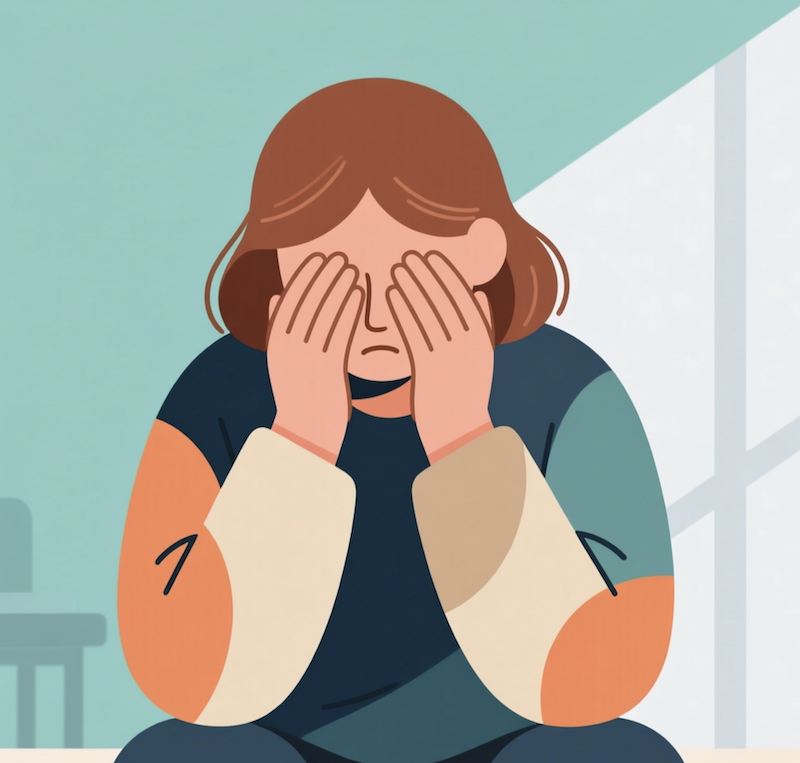
Being accused of bullying or harassment can feel like stepping into a dark tunnel—disorienting, threatening, and all-consuming. In my work supporting employees and leaders through investigations, I’ve seen how destabilizing this is. I’ve also seen people navigate it with clarity and even growth.
Here’s a practical, grounded guide to help you move through the process safely.
Take Time to Stabilize Yourself
Your body may shift into fight (wanting to confront)-flight (calling in sick or going on leave) or-shutdown (not being able to function) mode. People facing a bullying complaints often can’t stop thinking about the complain making it hard to think about anything else and easy to react impulsively. Resist the temptation to jump from one racing thought to another and take a beat.
Stabilize your person before problem solving. How you feel will affect the actions you take!
1. Pay attention to your nervous system - Move your focus of attention from your racing, distressed thoughts to your breath – notice you’re breathing for a minute without trying to change it. Is it shallow? Quick?
Slowly try to make your exhales longer than your inhales. This lets your body know you’re not in immediate danger by communicating to your heart to slow down.
2. Connect to a stabilizing force in your life– this could be a person, pets or activities that help you feel grounded or like yourself. Take a moment to connect with that force in your mind’s eye and see how it makes your body feel.
3. Acknowledge and name your emotions —angry, fearful, shameful, apprehensive? All of these? Naming and/or acknowledging what you feel can help reduce the intensity of the emotion. Pushing the emotional aspects away, even if they are difficult, can increase the intensity later or lead to a greater need for coping behaviours. Try to articulate your emotional experience: I feel…..because I think…. (e.g. I feel scared because I think this could mean I am not a good person or I feel so angry because I think that this is totally unfair).
4. Reach out to a trusted person outside of work for emotional support - Since you may not want anyone to know you are being accused of bullying and harassment, this can be tricky. But there are solutions. You can talk to someone about your thoughts and emotions without going into detail - it’s okay to say you aren’t ready to talk about the details of what’s happening, but you could use a comforting presence to talk about how scared you are that you might lose your job. Alternatively, you could reach out to a third party like a counsellor or mental health provider. To schedule a free consultation or a session, please book here.
Stabilizing your person can help you respond rather than react.
Resist the temptation to fight back
“Fighting back” is often the reflective move - this is normal when we are under threat. In practice this often means there is an impulse to confront the complainant, gossiping, or lobbying leadership and colleagues. These reactions nearly always backfire. I have worked with clients in cases where fighting back has violated policy, escalate tensions, and in some cases lead to further allegations such as retaliation.
Listen
Resist the urge to defend yourself (there will be time for that) and try to ask clarifying questions. This is really hard to do when you feel defensive but being defensive can make you seem uncooperative or guilty. Instead ask
What exactly is being alleged?
What happened from the complainant’s perspective?
What are the behaviours they are wanting you to stop?
If the conversation becomes heated or overwhelming, you can end it. Staying in a conflict, escalated state increases risk.
Evaluate why this may be happening
My experience in the therapy and coaching room is that bullying and harassment cases are often messy!!
As such it might be helpful to reflect on what the triggering event might have been that cause the complainant to file an accusation now? Writing out facts as you know them might be helpful because they will give you a concrete way to reflect on what has happened.
People usually engage in bullying and harassment behaviour when they lack empathy for the recipients of their behaviour or words. Sometimes background stressors—burnout, compassion fatigue, personal/communication difficulties, or inexperience in leadership—lead to behaviour that others experience as harsh or abrupt. Folks often struggle to identify with engaging with bullying behaviour which leads to personal denial about their role. If you have an inclining that this, is you it could help to ask
What is the 1% of actions that I may have contributed to this situation? Have I been told in the past or thought to myself that I lack empathy for others?
There are situations where people are falsely accused of bullying and harassment. As Matsson & Jordan (2022)describe in their research situations where victims have acted inappropriately but are unable to identify how their actions have contributed to the dynamic at hand. In one instance, the alleged victim had refused to follow safety procedure and, when other staff members refused to work with them, sited bullying due to exclusion. My experience of false accusations with client is that these accusations usually falls along the lines of social identities like ageism, sexism, and/or racism.
Although false accusations happen, I would caution those being accused of bullying and harassment to honestly reflect on their actions before assuming they have been falsely accused while also extending care for yourself by recognizing that this may not have been their intent. It is difficult and painful to come to terms and take responsibility for harmful actions. If you feel that you may have caused harm, please feel free to reach out a book a free 30 minute consultation and we can unpack what happened together. Don’t go it alone!
If you are being falsely accused of bullying and harassment, please see the following article post.
What Happens in a Bullying Investigation?
Your mind is probably working overtime to help you solve the problem of being accused of bullying and harassment - knowing what will happen can help settle some the uncertainty you are feeling.
The Basics
While every organization is different, most processes follow similar steps:
Intake
Notification
Interviews (complainant, accused, witnesses)
Evidence reviews
Assessment
Findings
Recommendations
Nonprofits and small to medium businesses often have less formal HR structures and processes in place.
Corporations tend to use more formalized, external investigators.
However, everyone in Canada is assured the right to a fair investigation. If you are from a different country, check on your rights during a bullying and harassment investigation.
People often wonder if there is bias in the investigation. The investigator should be impartial.
If you are in BC, you can contact WorkSafeBC who will make sure the investigation is fair.
If you are in a different providence in Canada or in a different country, make it your business to know what the rules are about providing an impartial investigation.
And then expect to wait! Clients often find these waiting periods very difficult.
During this time, take care of your basic needs –try to eat, sleep, get some exercise, and connect with people who care about you. Having some kind of routine can be very helpful. Facts are your friend – stay grounded in the facts.
Possible Outcomes of a Bullying Investigation
Often people worry about the possible outcomes and it’s easy to let our minds run amuck with possibilities – formally the outcomes can look like
Required coaching or training
Mediation
Written warnings
Increased supervision or changed reporting structures
More serious outcomes:
Removal from leadership
Suspension
Termination
Can someone be exonerated?
Yes. Unsubstantiated complaints happen, especially when conflict, bias, or miscommunication played a role.
Can both parties share responsibility?
Often. Many conflicts are rooted in mutual misunderstandings or stress dynamics.
“Unsubstantiated” vs. “substantiated but minor”
Unsubstantiated: No evidence to confirm the allegation.
Substantiated but minor: Something did occur, but not at a disciplinary level; typically, a training or communication issue.
Investigations aren’t perfect. Some are fair and thorough; others are rushed or political. Staying grounded, organized, and cooperative tends to support a fairer outcome.
How Can I Be Okay Through a Bullying Investigation?
It’s common to feel a range of emotions during this time and as the events of the investigation infold. This will be difficult, but it won’t last forever.
Allow yourself to have your emotional experiences – they are normal and make sense in the context of what you are experiencing. You will probably experience an emotional roller coaster.
Try to focus on healthy coping – how do you normally cope when distressed? What are the positive activities you do to decrease the distress? Are there coping mechanisms you want to avoid during this time?
Some examples of coping are:
Grounding and breath work
Cognitive tools to interrupt catastrophic thinking
Clear boundaries around when you engage with the issue
Short-term therapeutic support
Maintaining basic routines
Sharing the emotional experience with only one or two trusted supporters
**The more you can process your emotional experience around the issue the less coping you will have to do and the clearer you will be on what your needs are and how you want to meet them. Knowing what’s important to you about how you want to navigate this situation may also be helpful**
My observations watching clients go through this…
People can come out stronger with more self-awareness
While being accused of bullying and harassment can be a devastating experience or at least difficult, many people I work this also experience growth by developing healthier boundaries, clearer communication, or a better understanding of their stress patterns.
Investigations—while painful—can be catalysts for self-awareness.
What to share with family/friends
Share how you feel, not confidential details. Over-disclosure can create additional stress and may breach workplace rules.
Conclusion & Next Steps
An accusation of bullying or harassment is one of the most destabilizing workplace experiences—but you can move through it with clarity, integrity, and support. If you’re navigating a complaint, investigation, or workplace conflict:
Reach out. I can help you respond strategically, stay grounded, and we can work together to protect your wellbeing through the process.